We have compiled the most frequently asked questions about plastic, reconstructive and aesthetic surgery procedures. The information below is for general informational purposes only; a case-specific assessment can only be made following an examination.
When performed properly, the effect of the fat injection procedure is permanent. After removing the patient’s fat, and then purifying and re-injecting it, we achieve a permanence of 30 to 70 percent on average.
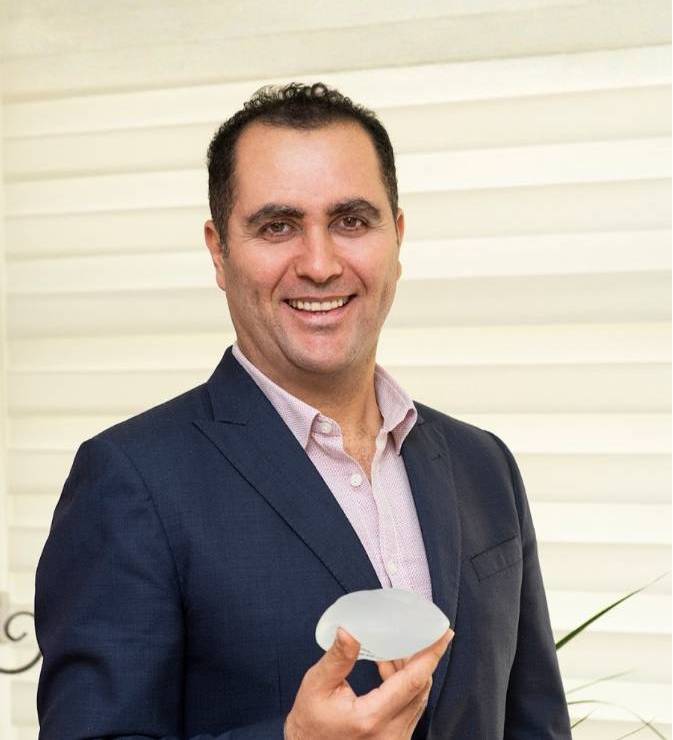
Silicone implants does not interfere with breastfeeding: Our patients, for whom we have performed silicone placement surgery can easily breastfeed their babies. The presence of silicone does not interfere with breastfeeding because we do not damage the milk ducts when inserting the silicone implant into the breast.
The time required to return to social life after the operation is usually 1 week, but this may be 1 to 2 days more or less depending on the surgery that you have. You will be able to see the final result at least 3 months after the surgery, when the wound healing process will have been completed.
If there is no congenital deformity or deformity caused by an accident, rhinoplasty operations can be performed from 16 years of age. However, for patients under 18 years of age, a signed consent is obtained from the mother and father.
In the media, news about the aesthetic aspect of plastic surgery is getting more coverage, and perhaps that is why the public perceives plastic surgeons as people who perform only aesthetic surgery. In fact, plastic surgeons are engaged in reconstructive surgery to a greater extent in clinics.
There is no surgical or aesthetic suture technique that leaves no scar, and laser cannot be used for incision closure. Aesthetic surgical interventions often allow for reducing the scar, giving it another shape that will not attract attention or make the scar unnoticeable, or moving the existing scar to a place that can be hidden.
The healing process is the most important advantage of combined aesthetic operations performed in different regions by using different techniques. It is great advantage to achieve multiple results in the healing process of a single operation. Combined aesthetic surgeries are also considerably advantageous in terms of time and cost-saving. Instead of conducting planning, analysis and preparation processes for each operation, conducting these for a single operation offers great convenience for people short on time, in particular.
The season chosen for aesthetic procedures is of great importance. Surgical operations can be performed in any season, but the autumn and winter months have significant advantages in terms of health and recovery.
Plastic, reconstructive, and aesthetic surgery is one of the surgical fields about which patients ask the most questions. Because the scope of the procedures is so broad, it's perfectly natural for those making decisions to have many questions about the process, methods, and recovery period. In this section, we aim to make it easier for you to access accurate and understandable information by compiling the most frequently asked questions.
The explanations here are for general informational purposes only. Since each patient's anatomy, medical history, and expectations are different, which method is appropriate or how the process will proceed can only be evaluated individually after a physician's examination. Therefore, the information below does not replace an examination or a physician's opinion.
Accurate information helps both the patient to understand the process consciously and to form realistic expectations. The questions prepared with this approach aim to explain the general logic of the procedures, how the preparation and recovery process is handled, and the points to be considered.
If you cannot find the answer to your question in this section, or if you would like to discuss a topic specific to your situation, you can contact us directly to schedule an appointment.